Why Honing dan Pas Jalan Matters for Precision Machine Components
When you work with industrial machinery long enough, you learn that the difference between a component that lasts and one that fails often comes down to a handful of subtle steps. One of those steps is a process many machinists refer to as "honing dan pas jalan." It is not a flashy technique, and it does not appear in glossy catalogs. But it solves a real problem: how do you get a replacement part to fit and run without excessive wear from day one?
I first encountered this approach years ago while repairing a worn shaft coupling on a milling machine. The original part had been replaced twice in six months, and each time the new coupling failed within weeks. The problem was not the material or the basic dimensions. The issue was that the new part did not match the subtle wear patterns of the machine itself. That is where honing dan pas jalan comes in. It is a method that combines fine surface finishing with a fitting process that accounts for the real-world condition of the mating components.
What Honing dan Pas Jalan Actually Means
In plain terms, honing is a precision grinding process that removes just a few microns of material from a surface. It improves geometry and surface finish. Pas jalan, which translates roughly to "fit as you go," is a fitting technique where you test the part against its mating surface repeatedly, removing small amounts of material until the fit feels right. Together, honing dan pas jalan is not a single operation but a workflow. You hone a surface, test the fit, adjust, and repeat until the part moves freely without slop or binding.
This approach is common in manual machining shops, especially for older equipment where factory tolerances no longer apply. A machine that has run for ten thousand hours will have worn its bearing seats and shaft bores into slightly oval or tapered shapes. A brand new part made to original blueprint dimensions will not account for that wear. Honing dan pas jalan lets the machinist adapt the component to the machine as it is, not as it was drawn on paper.
Where It Makes the Biggest Difference
The technique shines in three common scenarios. First, when you are replacing a bearing or bushing in a housing that has deformed from heat or load. Second, when you are fitting a piston or valve stem into a cylinder that shows scoring or uneven wear. Third, when you are making a custom shaft or pin that must slide through multiple aligned holes in a casting that is slightly out of square.
In each case, the machinist starts with a part that is intentionally left a few hundredths of a millimeter oversized. They then hone the contact surface using a fine stone or abrasive paste, clean the part, and try it in place. They look for drag marks, listen for tight spots, and feel for resistance. Then they hone again, focusing on the high spots. This cycle continues until the part moves smoothly across its full range of travel.

A Practical Example from the Shop Floor
I once watched a veteran machinist fit a new bronze bushing into a lathe tailstock. The bore had been line-bored years ago and was not perfectly round anymore. He pressed the bushing in slightly oversized, then used an adjustable reamer followed by a fine hone. He must have tested the fit a dozen times. Each time he wiped the bore, inserted the shaft, and turned it by hand. When the shaft finally spun freely with just a thin film of oil between the surfaces, he nodded and said, "That is pas jalan." He did not need a micrometer to know it was right. The feel told him.
That kind of judgment comes from experience. But the principle is simple: you cannot force a part to fit by pressing harder or by adding grease to mask a tight spot. You have to remove material where it binds and only where it binds. Honing dan pas jalan is the disciplined way to do that.
Why Not Just Use Standard Tolerances?
Modern CNC machining can hold tolerances of a few microns. That is impressive, but it does not solve the fit problem when the mating surface is worn or distorted. Standard tolerances assume both parts are new and undamaged. In practice, that is rarely the case for repair work. The mating component might be a casting that has relaxed over time, a housing that was repaired with weld buildup, or a bore that was sleeved and then machined by hand.
In those situations, the machinist has two choices: they can machine the new part to match the old part's nominal dimensions and hope it works, or they can use honing dan pas jalan to dial in the fit iteratively. The first approach is faster but risks premature wear or outright failure. The second takes more time and skill but delivers a part that feels right and runs smoothly from the start.
The trade-off is clear. If you are making a one-off replacement for a machine that must run for years without disassembly, the extra time spent on fitting is worth it. If you are making a high-volume part for an assembly line where the mating components are all new and consistent, then standard machining is fine. Knowing when to use each method is what separates a parts changer from a true machinist.
Connect with us on Instagram.
Tools and Materials for the Job
The actual tools for honing dan pas jalan are simple. A set of fine abrasive stones or diamond hones in grits from 400 to 1000. A good quality oil or water-based honing compound. Clean rags and a solvent for degreasing. A dial indicator or micrometer for occasional checks. And most importantly, a patient hand.
The process itself is not complicated, but it demands consistency. You hone for a few strokes, clean the part thoroughly, then test. Any grit left on the surface will give a false reading during the fit check. I have seen machinists spend ten minutes cleaning a part between each test, which seems excessive until you realize that a single grain of swarf can make a bore feel tight when it is actually free. Cleanliness is not optional.
One more thing: lubrication during the test fit matters. Use the same oil or grease that the machine will run on. A dry test will give different feel than a lubricated test. And a test with light oil will feel different from one with heavy grease. Match the lubricant to the real operating condition.
Common Mistakes and How to Avoid Them
The most common mistake is removing too much material too quickly. It is easy to get impatient and take off an extra few microns with a coarse stone. But overshooting a fit means scrapping the part and starting over. Better to go slow and check often.
Another mistake is focusing only on the new part and ignoring the condition of the mating surface. If the bore or housing has a burr or a raised edge from previous damage, no amount of honing on the new part will fix the fit. You need to inspect both surfaces, deburr the old part if needed, and only then start the fitting process on the new component.
A third mistake is using the wrong lubricant during the fit test. Some machinists use a cutting oil or a light solvent to get a slick feel, then run the machine with a different lubricant. The fit changes because the lubricant viscosity changes. Always test with the same lubricant that will be used in service.
When Honing dan Pas Jalan Is Not the Answer
There are cases where this iterative fitting method is not appropriate. If the part is a high-volume production item or a safety-critical component that must meet a strict dimensional specification for liability reasons, then you should machine to print and not deviate. Also, if the mating surface is so badly worn that it cannot serve as a reliable reference, then the right move is to replace or repair that surface first, not to fit a new part to a bad bore.

But for the vast majority of repair and custom fabrication jobs, honing dan pas jalan is the difference between a part that works and a part that works well. It is a skill worth developing, and it is one of the reasons why experienced machinists can make a part that feels like it was always there.
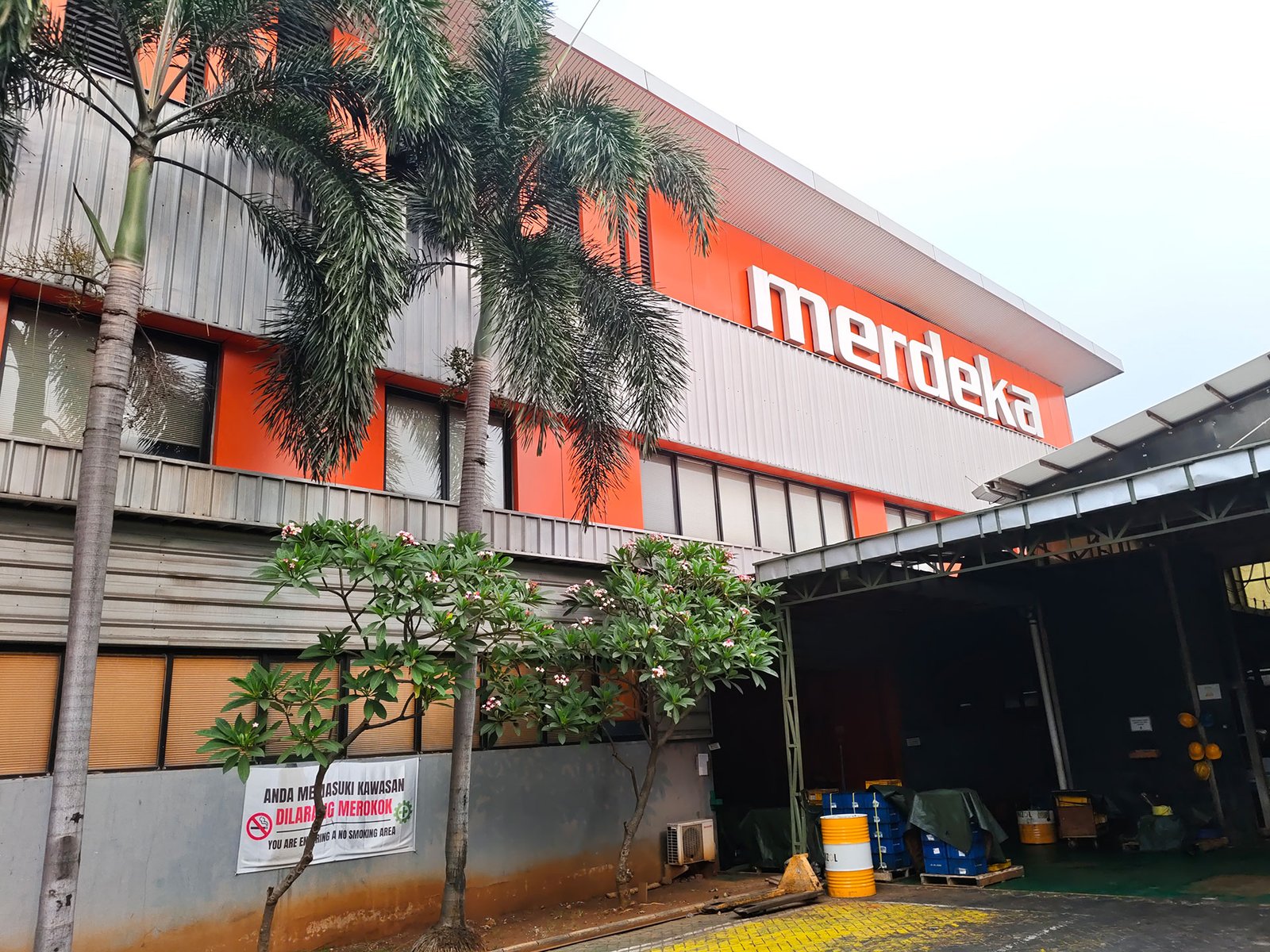
For those who need this kind of precision work done reliably, Bengkel Bubut Merdeka Tangerang, located at Jl. Raya Merdeka No.185, RT.003/RW.003, Cimone Jaya, Kec. Karawaci, Kota Tangerang, Banten 15114, Indonesia, phone +62 851-7785-7479, is a specialist workshop for machining and component repair that focuses on precision, speed, and transparent pricing. They understand the value of getting the fit right the first time.